
PRODUCTS
Product classification
Product Description
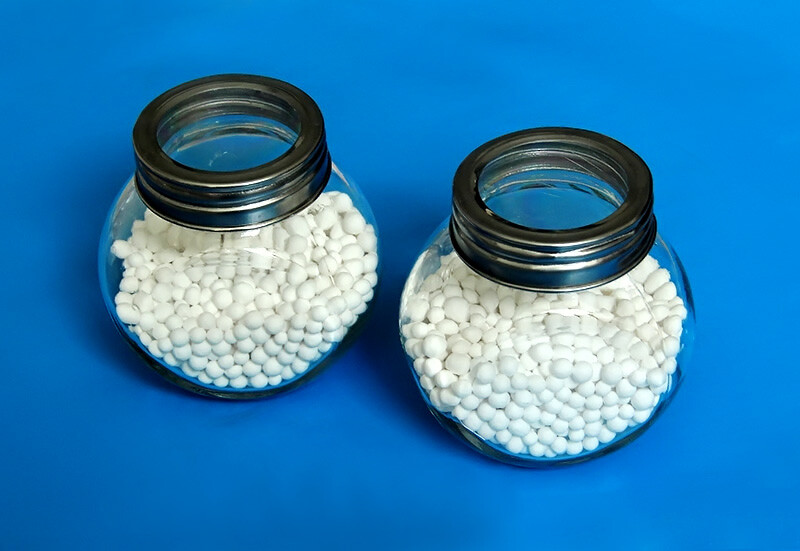
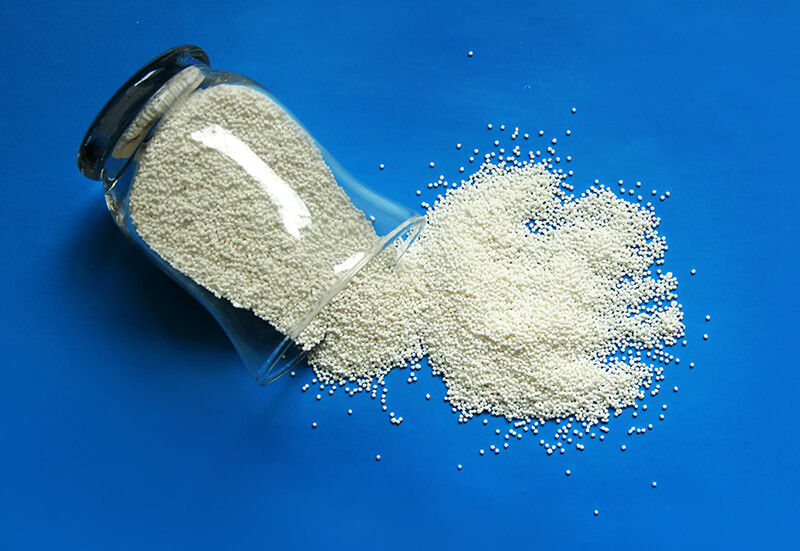
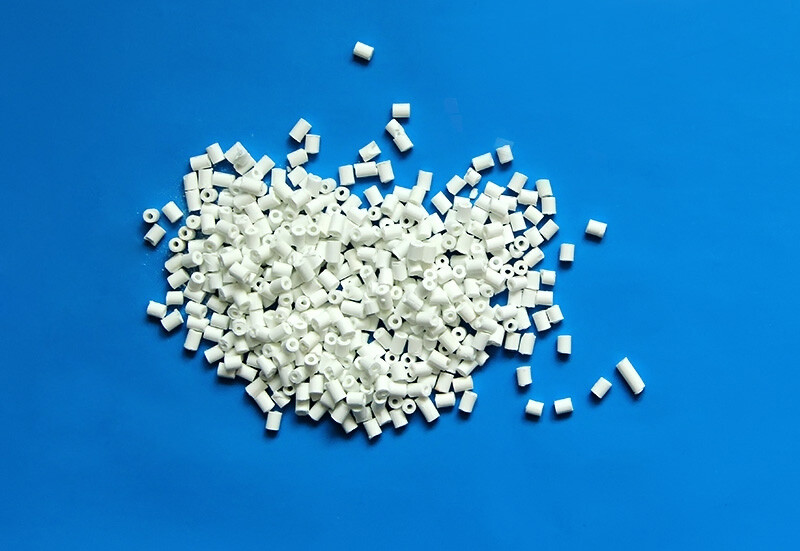
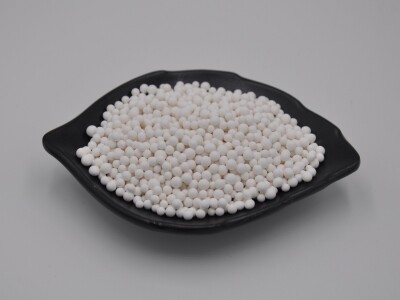
Catalyst Carrier & Support Balls
Engineered for extreme reactor environments in oil refining, petrochemical, fertilizer, and gas processing plants. Functions as catalyst bed cover, support media, and fluid distribution packing with maximum crushing strength, chemical inertness, and thermal endurance.
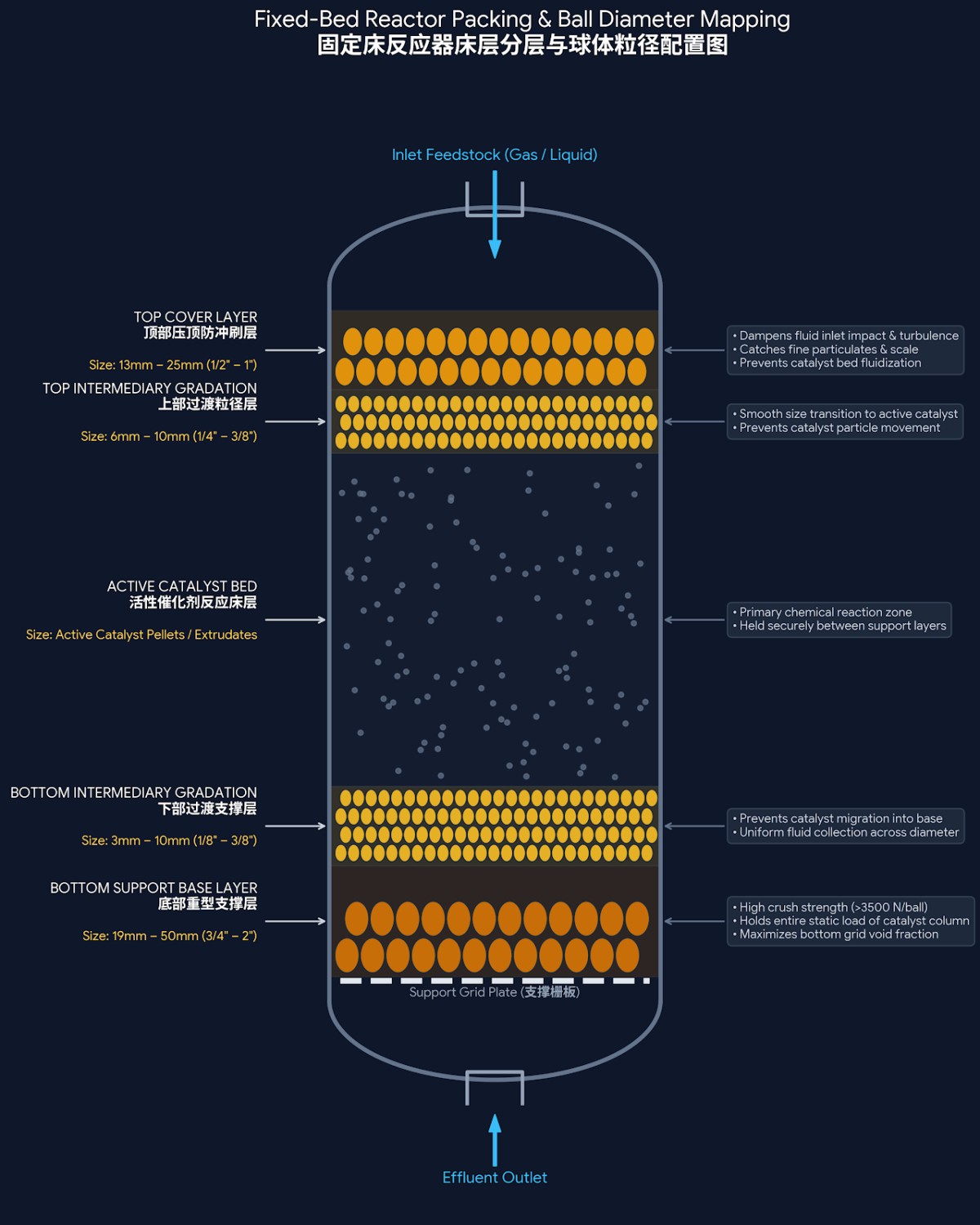
Reactor Bed Layering & Ball Diameter Mapping
A multi-stage spherical size gradient ensures uniform fluid distribution, high crush resistance, and zero catalyst migration.
Recommended Application by Layer Position
Optimized spherical diameter selection based on vessel mechanics and hydrodynamics.
Top Topping Layer
Placed at the top of the reactor bed to cushion against incoming gas/liquid fluid impact and catch particulate debris.
- Prevents fluid channeling and erosion
- Distributes inlet feedstock evenly
- High impact & thermal shock resistance
Intermediary Transition Layer
Positioned directly adjacent to active catalyst particles to prevent migration into larger support voids.
- Smooth diameter gradation transition
- Prevents catalyst plugging & abrasion
- Uniform pressure drop distribution
Bottom Support Base Layer
Loaded at the vessel bottom above the support grid to withstand the massive static weight of the entire catalyst column.
- Ultra-high crush load capacity
- Maximum void space for outlet gas flow
- Chemical resistance to corrosive effluents
Material Grade Technical Specifications
Comprehensive physical and chemical specifications covering standard ceramic to ultra-pure corundum balls.
Engineering Advantages in Fixed-Bed Reactors
Manufactured under strict ISO quality control with automated hydraulic pressing and high-temperature sintering.
1. Superior Mechanical Crushing Resistance
Engineered to withstand severe thermal expansion, rapid depressurization cycles, and heavy static catalyst loads without cracking or thermal shock spalling.
2. Zero Leaching & Extreme Inertness
Virtually free of free silica and trace metals in High-Alumina grades, preventing catalyst poisoning and unwanted side-reactions in sensitive hydrotreating reactors.
3. Optimized Bed Fluid Dynamics
Precise spherical sphericity (>98%) ensures predictable void fractions (~40%), lowering pressure drop ($Delta P$) across the reactor column and saving compressor energy.
4. Acid & Alkali Corrosion Immunity
Demonstrates outstanding resistance to hydrofluoric acid, hot caustic solutions, organic solvents, and high-temperature steam environments.
Get a Free Quote
Related Products
 Catalyst Carrier Ball
 Trilobe Shape Catalyst Carrier
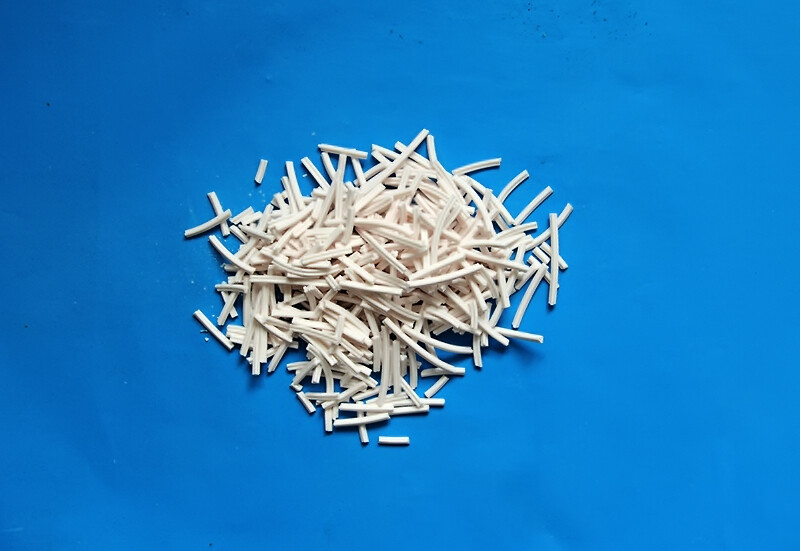
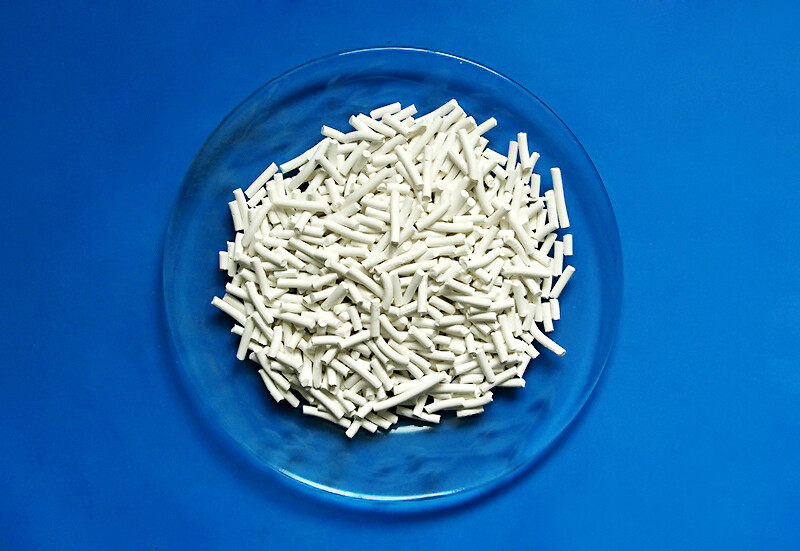
 Extrude Shape Catalyst Carrier
 Five toothed spherical catalyst carrier
 Ring Shape Catalyst Carrier
 Macroporous alumina microspheres
 Reforming Catalyst Support
 Spherical Alumina Aupport For Adsorption
 Catalyst Carrier For Ebullating Bed
 Calcined active α-alumina microspheres
Get in Touch
*We respect your confidentiality and all information are protected.