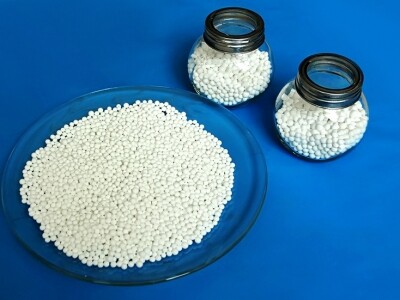
Specialized Activated Alumina for Hydrogen Peroxide (H2O2) Production (γ-Al2O3)
Engineered specifically for anthraquinone working solution regeneration and active constituent recovery in H2O2 synthesis. High alkaline stability, superior degradation product adsorption, and ultra-low Na2O content.
Na2O Content: ≤ 0.20% Regeneration Efficiency: High Sizes: 2-3mm, 3-5mm, 4-6mm,5-8mm
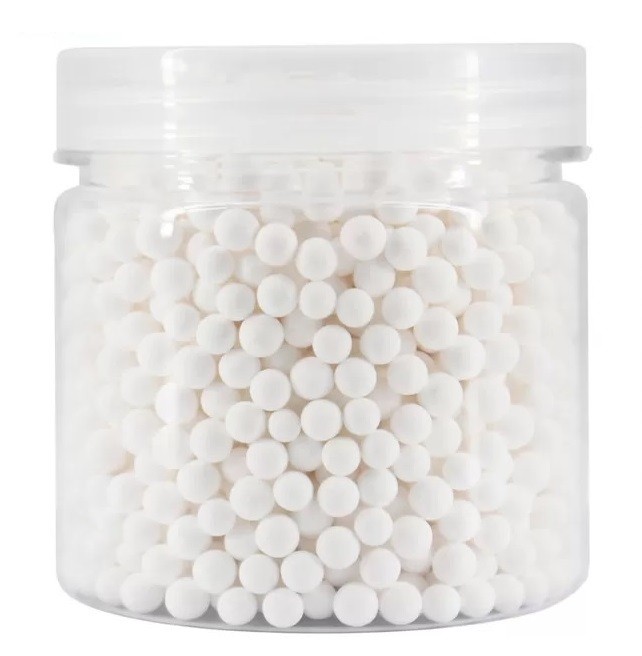
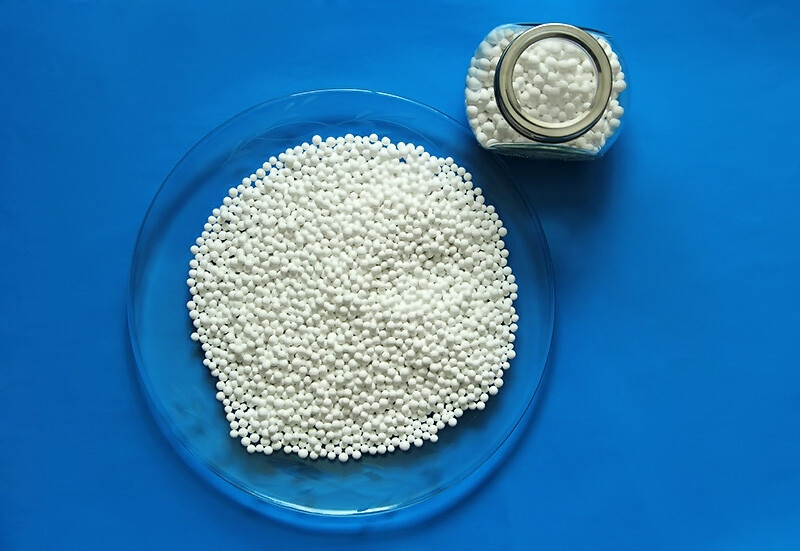
Uniform spherical activated alumina with tailored alkalinity and pore structure for anthraquinone process working solutions.
Key Role in H2O2 Synthesis
- Anthraquinone Regeneration: Efficiently converts epoxide derivatives and degraded by-products back into active alkyl anthraquinone, reducing raw material consumption.
- Strictly Controlled Na2O Content: Ultra-low alkali level (≤ 0.20%) prevents unwanted H2O2 decomposition and ensures safe, stable plant operation.
- Acidity Neutralization & Purification: Adsorbs organic acids and trace impurities in the working solution, preventing catalyst poisoning in hydrogenation reactors.
- Low Attrition & Long Service Life: High crush strength prevents dusting, keeping filters and pumps free from particulate clogging.
Process Engineering Advantages
Na2O Control
0.20 %
Guarantees process safety by preventing hazardous alkaline decomposition of H2O2.
Regeneration Ability
98 % Efficiency
Restores degraded tetrahydro-anthraquinone back into active working components.
Crush Strength (3-5mm)
130 N / bead
Resists high-flow fluid friction and extends replacement cycles in regeneration beds.
Technical Data Sheet (TDS) - H2O2 Industry Grade
Target Industrial Applications
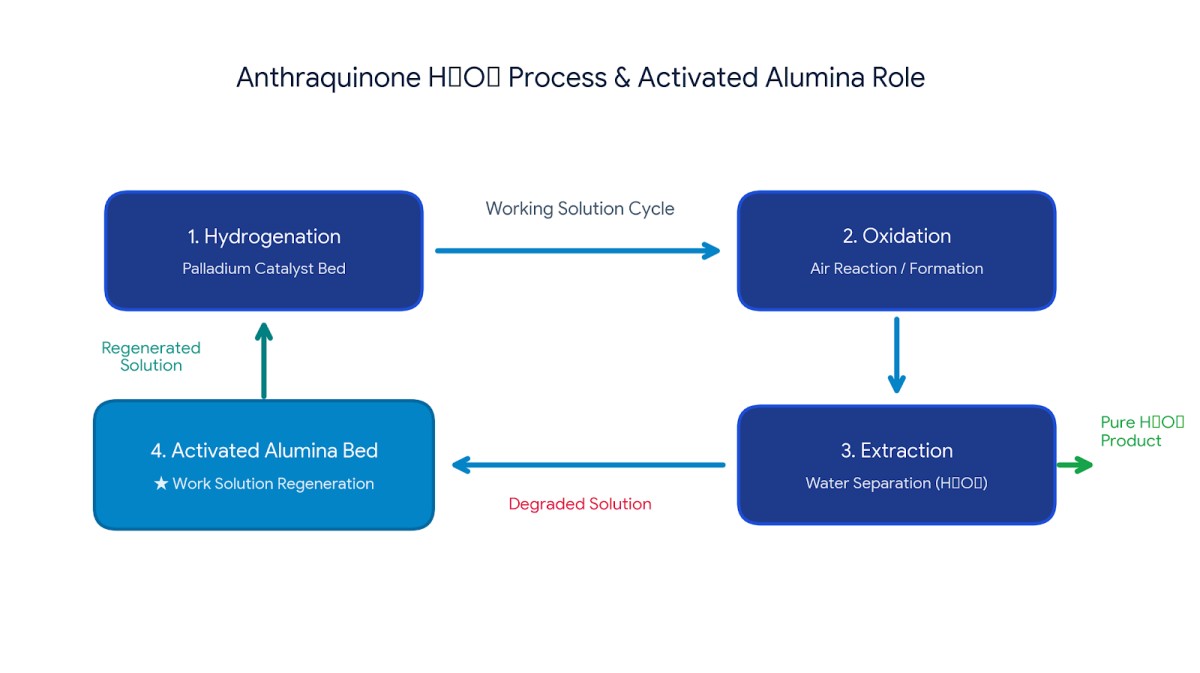
- Working Solution Clay Bed (Regenerator Bed): Positioned in the working solution circulation loop to continuously regenerate active quinone compounds.
- Hydrogenation & Oxidation Protection Beds: Adsorbs trace acidic contaminants and peroxides to safeguard palladium hydrogenation catalysts.
- Solvent & Chemical Purification: Used for alkali removal and active recovery in organic chemical synthesis loops.
Packaging & Handling Standard
Moisture-Proof Packaging: 25 kg PP woven / Kraft paper bags with sealed inner PE liner.
Industrial Shipping: 800 kg / 1000 kg Ton Jumbo bags, or 150 kg sealed iron drums to ensure zero moisture contamination during ocean freight.
Industrial Shipping: 800 kg / 1000 kg Ton Jumbo bags, or 150 kg sealed iron drums to ensure zero moisture contamination during ocean freight.